Explain tradeoffs
We translate DfAM, shrinkage, support marks, and anisotropy into purchasing-friendly notes.
A friendly engineering partner for teams turning digital designs into useful shop-floor tools, prototype parts, and equipment workflows.
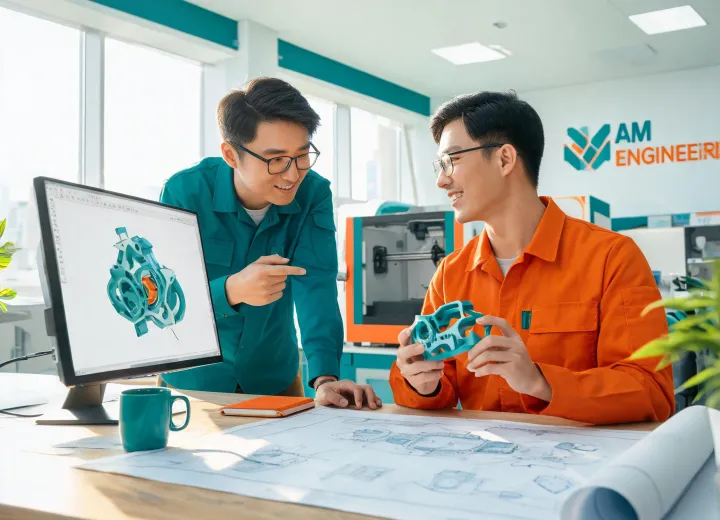
Ultimaker supports teams that are ready to use additive manufacturing but need a calmer path from idea to repeatable output. Our work sits between equipment selection, DfAM coaching, printed tooling, and documentation. That position matters because a production aid can look simple while still carrying risk in load direction, dimensional stability, cleaning method, operator handling, and revision control.
The company works with OEM engineering groups, maintenance teams, contract manufacturers, universities, and product teams that need clear advice before a printer purchase or fixture order becomes expensive inertia. We avoid “print anything” promises. Instead, each program records assumptions for geometry, material, inspection, and expected duty cycle so the buyer can make a defensible decision.
Good additive manufacturing feels fast because the review is honest early, not because the hard constraints disappear.
We translate DfAM, shrinkage, support marks, and anisotropy into purchasing-friendly notes.
Repeat parts are tied to file version, material route, and inspection expectations.
When CNC machining, molding, or a bought component is better, we say so.
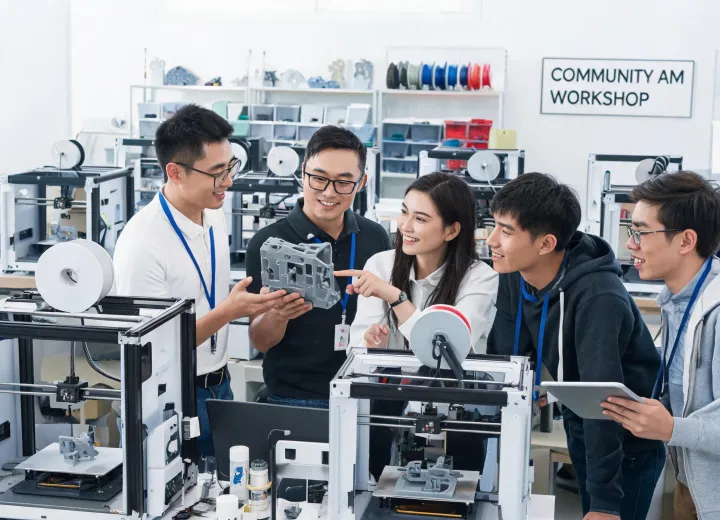
Ultimaker teams often help customers build their first internal additive playbook. That includes operator training, file naming practices, cleaning steps, queue management, and simple inspection routines. These foundations make the second and third projects faster without pretending every printed part belongs in final production.
For purchasing teams, this also creates a clearer supplier file. The same notes that help an operator choose a nozzle can help a buyer explain why a material was selected, why a tolerance was relaxed, or why an external printed part is safer than an unreviewed internal shortcut.
Share CAD, usage context, estimated annual demand, and inspection expectations. We will respond with a practical additive manufacturing path and documented assumptions.